What is the 50/30/20 Rule?
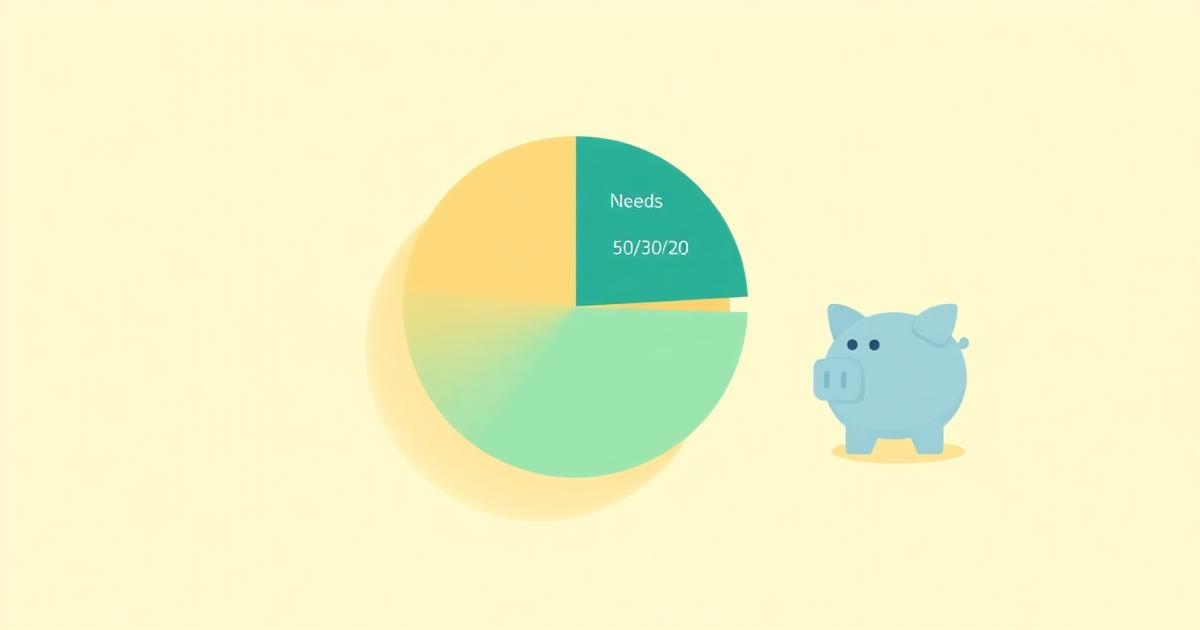
The 50/30/20 rule is a straightforward budgeting framework that divides your after-tax income into three categories:
- 50% for Needs: Essential expenses like rent, utilities, groceries, insurance, and minimum debt payments
Want to see where your own money actually goes? Try Spendalyst free for 14 days →
- 30% for Wants: Discretionary spending on entertainment, dining out, hobbies, and subscriptions
- 20% for Savings: Building your emergency fund, retirement contributions, and extra debt payments
Why This Rule Works
The beauty of the 50/30/20 rule lies in its simplicity. Unlike complex budgeting systems that require tracking every penny, this framework gives you clear guardrails without the mental overhead.
Benefits of the 50/30/20 Approach
1. Easy to remember and implement - No complicated spreadsheets required
2. Flexible enough for real life - You can adjust percentages slightly based on your situation
3. Balanced approach - Ensures you're not sacrificing today for tomorrow (or vice versa)
4. Built-in savings habit - Automating 20% to savings compounds over time
How to Apply It to Your Life
Start by calculating your monthly after-tax income. If you earn $4,000 per month after taxes:
- Needs (50%): $2,000 for rent, utilities, groceries, transportation, insurance
- Wants (30%): $1,200 for entertainment, dining, subscriptions, shopping
- Savings (20%): $800 toward emergency fund, retirement, or debt payoff
Common Challenges and Solutions
Living in a high-cost area? Your needs might consume 60% of income. Adjust to 60/20/20 temporarily while working to increase income or reduce fixed costs.
Have significant debt? Consider a 50/20/30 split, allocating the extra 10% to aggressive debt paydown.
Just starting out? Even if you can only save 10%, start there and increase as your income grows.
Track Your Progress with Spendalyst
Manually tracking your 50/30/20 allocations can be tedious. Spendalyst automatically categorizes your spending and shows you exactly where your money goes, making it easy to see if you're hitting your targets each month.
Ready to take control of your finances? Start your free trial today.